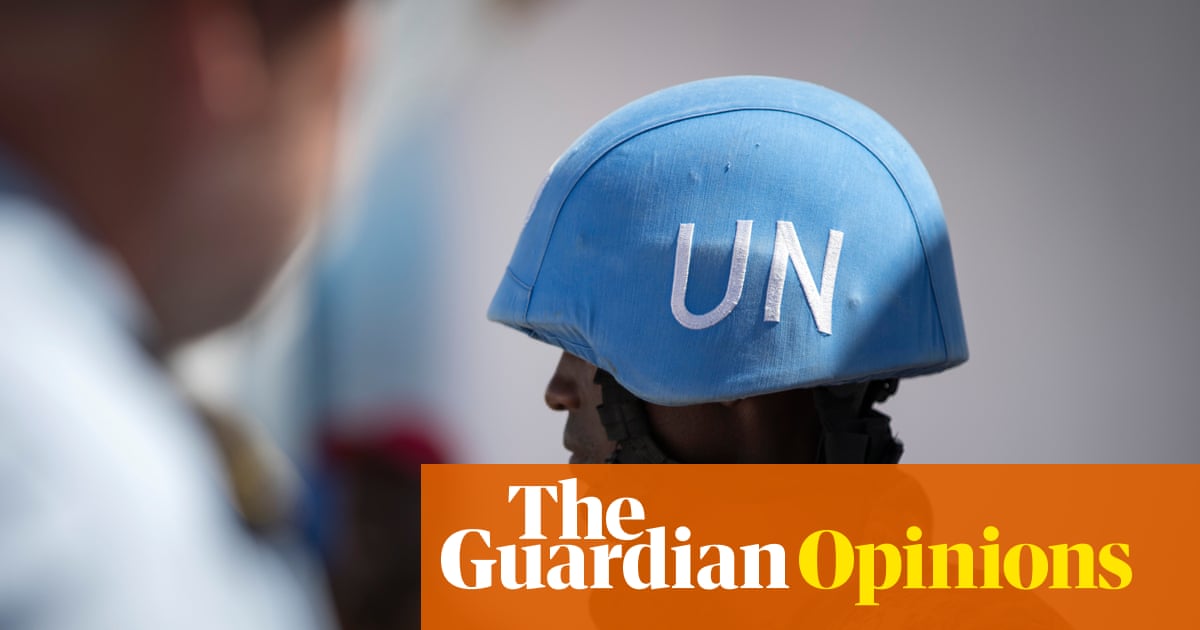
In the aftermath of the most devastating conflict humanity had ever witnessed, a profound lesson emerged from the ashes of World War II: peace is not merely the absence of war, but a painstakingly constructed framework built on shared rules and principles. It was in this long shadow of global devastation that the post-war international order was conceived – an imperfect yet purposeful design intended to shield humanity from a similar catastrophe. Today, this vital architecture, designed to institutionalize cooperation, reduce conflict, and entrench human rights, is under immense pressure, leading to a perilous drift towards a force-based order where power eclipses principle. The signs are clear: we are witnessing an accelerating collapse international rules, threatening the very foundations of global stability.
The Blueprint for Peace: Why International Rules Were Forged
The vision for a rules-based international order wasn't a utopian dream but a pragmatic response to unimaginable suffering. As the Allied powers turned the tide against totalitarian regimes in 1943, US President Franklin D. Roosevelt articulated a stark warning: "Unless the peace that follows recognises that the whole world is one neighbourhood, and does justice to the whole human race, the germs of another world war will remain as a constant threat to mankind." This foresight laid the groundwork for a system built on multilateralism, international law, and collective security.
The primary objectives of this new order were ambitious: to avert great-power conflict, foster interstate cooperation on a range of global challenges, reduce the frequency and intensity of 'hot wars', and firmly embed human rights within binding international law. Institutions like the United Nations, the World Bank, and the International Monetary Fund were created to provide platforms for dialogue, mechanisms for dispute resolution, and frameworks for economic stability. At its heart lay the UN Charter, a revolutionary document that enshrined the bedrock principle: no state may threaten or use force except in self-defence or with UN Security Council authorization. This peremptory norm became the collective security architecture's cornerstone, offering a global compact against unbridled aggression and a promise of a more just and peaceful world.
Cracks in the Foundation: Pressures on the Rules-Based Order
That coveted peace, however, is increasingly fragile. The elaborate architecture, once underwriting stability, is now acutely exposed to a combustible mix of pressures. We are witnessing a resurgence of ultranationalism, where narrow national interests override global cooperation. Hyper-intensified zero-sum strategic rivalries and hegemonic power plays are tearing at the fabric of trust. Longstanding alliances are fragmenting, and, perhaps most alarmingly, there is a brazen repudiation of established norms and treaties. The very notion of shared responsibility for global peace is being eroded.
Multilateral institutions, once bastions of stability, are increasingly marginalized, their mandates undermined, or even instrumentalized in the service of Machiavellian politics rather than global good. Foundational treaties are being hollowed out, breached outright, or simply ignored. Compliance regimes, designed to ensure adherence to international law, are weakened, and enforcement mechanisms rendered inert. This weakening leaves the post-war international system vulnerable to the very coercive power politics it was designed to contain. The growing threat of a collapse international rules is no longer a hypothetical scenario but a present danger, affecting everything from economic stability to environmental protection.
The Fraying Fabric of the UN Charter
One of the most concerning signs of this erosion is the threat to the UN Charter itself. The fundamental prohibition on the illegal use of force, which differentiates a civilized international community from a lawless one, is visibly fraying. As raw power eclipses legal restraint, and the silence or equivocation of many nations emboldens the few, the principle of non-aggression risks sliding from a binding law into mere empty rhetoric. We see, almost overnight, the threat of force – and even unilateral military action undertaken without legal authorization or meaningful deliberation – beginning to crystallize as a norm rather than an exception. This trajectory, if unchecked, signals a profound and dangerous shift.
The Perilous Drift: Towards a Force-Based World
The result of these relentless pressures is a palpable drift towards an unchecked "force-based order." In such a world, might displaces right, and power eclipses principle. This isn't a sudden unraveling triggered by a single political declaration or the actions of a few aberrant outliers. Instead, international orders collapse when those collectively entrusted with their stewardship neglect to properly defend them. It happens when resolve gives way to timidity, when principle is bartered for political expedience, and when moral clarity is supplanted by double standards.
The allure of immediate, visible issues often overshadows the vitally important. It’s a natural human reaction to focus on the most pressing domestic concerns or localized conflicts. However, the neglect of the broader international framework has cascading consequences. A world without effective international rules is a world where trade wars escalate unchecked, where environmental crises cannot be cooperatively addressed, where human rights become purely theoretical, and where the risk of regional conflicts spilling over into global conflagrations increases exponentially. This disequilibrium promises not just volatility, but a far more perilous and unpredictable future for all.
Consequences of Inaction
- Increased Conflict: Without legal restraint, the use of force becomes a primary tool for resolving disputes, leading to more frequent and brutal conflicts.
- Economic Instability: Unilateral actions, trade wars, and the disregard for international agreements disrupt global supply chains and economic partnerships.
- Human Rights Erosion: Protections for vulnerable populations diminish when might makes right, allowing for widespread abuses without accountability.
- Environmental Catastrophe: Global challenges like climate change and biodiversity loss require collective action; without it, our planet faces irreversible damage.
- Nuclear Proliferation: The weakening of non-proliferation treaties and enforcement mechanisms could lead to a dangerous expansion of nuclear arsenals.
Rebuilding Resolve: Defending and Modernizing International Rules
The good news is that the current trajectory is not irreversible. The international community still has a choice: to allow the dangerous trajectory that could lead to a full collapse international rules, or to act with renewed resolve to defend and modernize the existing international order. This means fortifying, rather than constraining, the system. It requires making it more representative and meaningfully inclusive, ensuring that the voices and needs of all nations, not just a powerful few, are heard and integrated.
International rules are not static; they must evolve to meet new challenges, from cyber warfare to global pandemics. Modernization means adapting institutions, updating treaties, and strengthening enforcement mechanisms to reflect the complexities of the 21st century. It means investing in diplomacy, promoting dialogue, and rebuilding trust through consistent adherence to principles. This collective effort is not just about idealism; it is about enlightened self-interest, recognizing that our interconnected world demands shared responsibility for shared security and prosperity.
Actionable Steps for a Resilient Future
To prevent the irreversible drift towards a force-based order and uphold the rule of law, the international community must take concrete steps:
- Strengthen Multilateral Institutions: Provide robust political and financial support to organizations like the UN, ensuring their impartiality and effectiveness.
- Promote Inclusive Governance: Reform institutions to better reflect current global power dynamics and ensure equitable representation, giving all states a meaningful stake in the system.
- Reinforce Norms and Treaties: States must recommit to existing international laws and actively participate in creating new ones to address emerging challenges. Upholding treaties like the UN Charter is paramount.
- Ensure Accountability: Hold all states accountable for breaches of international law, applying consistent standards rather than double standards. This requires courage and moral clarity.
- Invest in Preventive Diplomacy: Prioritize diplomatic solutions, mediation, and early warning systems to address conflicts before they escalate.
- Educate and Engage: Foster global citizenship and an understanding of international law among populations, building public support for a rules-based order. Civil society organizations play a crucial role here.
The choice before us is profound. We can descend into a turbulent, unpredictable world governed by raw power, where human suffering is maximized and collective progress is stalled. Or, we can collectively reaffirm our commitment to the principles of justice, cooperation, and the rule of law. The collapse international rules is not an inevitable fate, but a consequence of inaction. Defending the post-war order, modernizing its mechanisms, and ensuring its inclusivity is the world’s best defence against future catastrophe and the only path towards a truly stable and prosperous global neighbourhood.