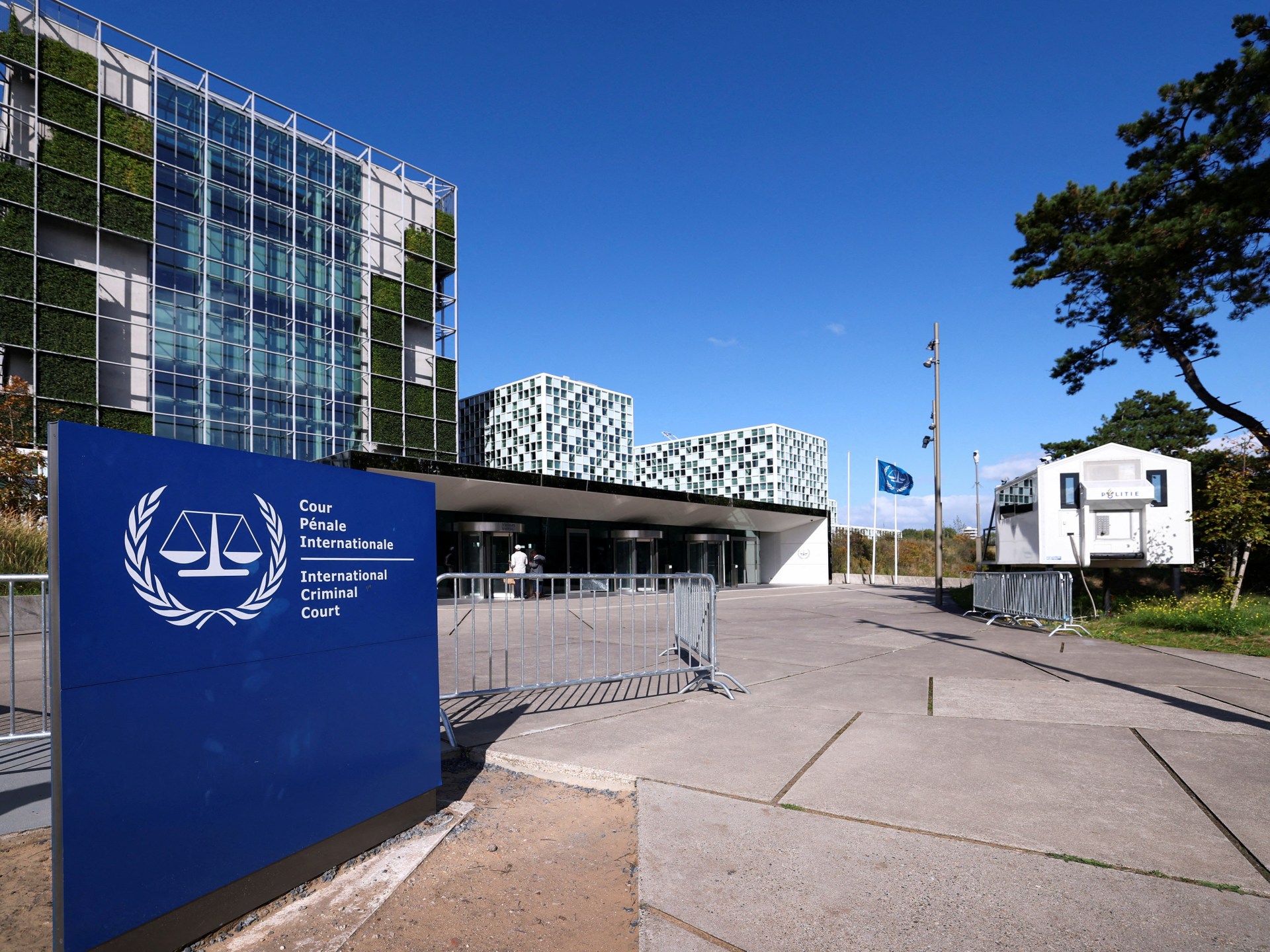
The global stage today is a complex tapestry woven with threads of cooperation and conflict, prosperity and peril. At its heart lies the international rule-based order, a framework painstakingly constructed in the aftermath of humanity's darkest hour. Conceived in the long shadow of two World Wars, this architecture was designed not merely to restore peace but to shield future generations from similar devastation. Yet, in our present turbulent times, the very foundations of this coveted peace appear increasingly fragile. From proliferating conflicts to a noticeable erosion of international cooperation across various domains, there's a growing apprehension: is the international rule-based order teetering on the brink of collapse? The signs suggest a palpable drift towards a more unpredictable world where established norms are challenged, and the risk of a true global order under threat where international rules are breaking down is becoming a stark reality.
The Bedrock of Global Stability: A Post-War Vision
The architects of the post-World War II international system understood a profound truth: lasting peace demanded a world united, not divided. As early as 1943, even amidst the throes of battle, U.S. President Franklin D. Roosevelt articulated this vision, warning that without a peace recognizing "the whole world is one neighbourhood, and does justice to the whole human race," the seeds of future conflict would inevitably resurface. This understanding forged the bedrock of what we now call the international rule-based order.
Forging Peace from Devastation
This grand project was more than just a ceasefire; it was a deliberate attempt to institutionalize peace. Its primary objectives were clear: to avert great-power conflicts, foster interstate cooperation on a range of issues, reduce the incidence of "hot wars," and embed human rights within a framework of binding international law. It was an ambitious, albeit imperfect, design for collective security, aiming to replace raw power politics with a system where shared rules and institutions governed interactions between sovereign states.
The Pillars of the New Order
Central to this architecture were key multilateral institutions and foundational treaties. The United Nations (UN) and its Charter stand as perhaps the most significant instrument of this post-war legal infrastructure. The UN Charter enshrines the bedrock principle of the modern international order: that no state may threaten or use force against another, except in self-defence or with explicit authorization from the UN Security Council. This peremptory norm, designed to contain coercive power politics, was meant to be the ultimate bulwark against unchecked aggression. Alongside the UN, other institutions like the World Bank, the International Monetary Fund, and eventually a plethora of specialized agencies were created to facilitate economic stability, trade, and cooperation across various sectors, demonstrating an unprecedented commitment to global interdependence.
Erosion from Within: The Pressures Threatening the System
Today, the stability underwritten by these post-war structures is facing unprecedented acute pressures. The once-coveted peace is increasingly fragile, confronted by a combustible mix of forces that threaten to make the international rule-based order collapse.
The Rise of Destabilizing Forces
The contemporary global landscape is characterized by several destabilizing trends:
- Resurgent Ultranationalism: A worrying rise in nationalistic sentiments, often fueled by populist rhetoric, prioritizes narrow national interests above international cooperation and shared global responsibilities.
- Hyperintensified Zero-Sum Strategic Rivalries: Major powers are increasingly engaging in strategic competition perceived as a zero-sum game, where one nation's gain is seen as another's loss. This leads to hegemonic power plays that disregard established norms and undermine multilateral efforts.
- Fragmentation of Longstanding Alliances: Traditional alliances, once cornerstones of stability, show signs of strain, with diverging interests and priorities testing their cohesion.
- Brazen Repudiation of Established Norms: Perhaps most alarming is the outright rejection or selective application of international laws and norms by various actors, eroding trust and predictability in global affairs.
Marginalization of Multilateralism
Multilateral institutions, once seen as vital underwriters of stability, are increasingly marginalized or, worse, instrumentalized in the service of Machiavellian politics. Foundational treaties are being hollowed out through non-compliance or breached outright. Compliance regimes are weakened, and enforcement mechanisms are often rendered inert by vetoes or a lack of collective political will. This leaves the entire post-war international system exposed to the very coercive power politics it was explicitly designed to contain.
The Perilous Shift to a Force-Based World
The cumulative effect of these pressures is a palpable drift towards an unchecked "force-based order." In such a system, might displaces right, and power eclipses principle. The legal restraints painstakingly built over decades are overshadowed by raw power. The prohibition on the illegal use of force, a core tenet of the UN Charter, risks sliding from binding law into empty rhetoric. Almost overnight, the threat of force – and even unilateral military action undertaken without legal authorization or meaningful deliberation – has begun to crystallize as a preferred instrument of statecraft for some, signaling a perilous drift towards a force-based order.
When Resolve Falters: Why International Rules Collapse
International orders do not suddenly unravel overnight, nor do they collapse solely because of political declarations or the conduct of a few aberrant outliers. Their undoing is a more insidious process, a gradual decay rooted in the actions – or inactions – of those entrusted with their stewardship.
The Danger of Neglect and Expediency
The real danger emerges when resolve gives way to timidity, when principle is bartered for political expediency, and when moral clarity is supplanted by double standards. When those who benefit most from the stability provided by the rules-based order neglect to properly defend it, they inadvertently accelerate its decline. Allowing foundational norms to be violated without consequence, remaining silent or equivocal in the face of aggression, or applying rules selectively based on geopolitical convenience emboldens those inclined to disregard the system entirely. This collective inaction contributes significantly to the weakening and potential collapse of international rules.
The Fraying of Foundational Norms
Consider the UN Charter's prohibition on the illegal use of force. When this peremptory norm – the very foundation of collective security – visibly frays, it sends a clear message. When raw power consistently eclipses legal restraint, and the silence or equivocation of the many emboldens the few, the global system descends into a more volatile and perilous disequilibrium. The immediate challenges we face today, from climate and nature crises to economic instability, also underscore the importance of cooperation. As one source noted, "almost by the week, we see the proliferation of conflicts, an erosion of the international rule-based order and collapsing international cooperation across several domains." This highlights how interconnected all global challenges are and how a robust rules-based order is essential for addressing them effectively.
Rebuilding Trust and Fortifying the Future: A Path Forward
Preventing the complete collapse of international rules requires urgent, concerted action. It demands a renewed commitment from the international community, not just to defend the existing order, but to fortify and modernize it for the 21st century.
Recommitting to Shared Principles
The first step is a clear recommitment to the fundamental principles of international law, including sovereignty, non-intervention, peaceful dispute resolution, and human rights. This means:
- Upholding the UN Charter: Reaffirming the prohibition on the illegal use of force and ensuring accountability for violations.
- Strengthening Compliance: Investing in robust compliance mechanisms and dispute resolution frameworks for international treaties.
- Addressing Double Standards: Ensuring that rules are applied fairly and consistently to all states, regardless of their power or geopolitical standing.
Modernization and Inclusivity
The post-war order, while foundational, must also evolve. It must be made more representative and meaningfully inclusive to reflect the contemporary global distribution of power and diverse perspectives. This could involve:
- Reforming Multilateral Institutions: Reviewing the structure and decision-making processes of bodies like the UN Security Council to ensure broader representation.
- Empowering Emerging Economies: Giving a stronger voice and greater influence to nations in the Global South, whose contributions are vital to global problem-solving.
- Adapting to New Challenges: Developing international legal frameworks to address modern threats like cyber warfare, climate change, and pandemics, which transcend national borders.
Practical Steps for Global Citizenship
Beyond state-level actions, individuals and civil society also have a crucial role. Supporting organizations that champion international law, advocating for diplomatic solutions, demanding accountability from leaders, and fostering cross-cultural understanding all contribute to reinforcing the fabric of global cooperation. When faced with numerous severe challenges, it's tempting to focus only on the most visible issues, but collective action, cooperation, and engagement across borders remain imperative. Investing in diplomatic efforts, supporting peacebuilding initiatives, and promoting education on global citizenship can help reverse the dangerous trend toward the collapse of international rules.
The alternative to a defended and modernized international rule-based order is a far more volatile and perilous disequilibrium. As the global system drifts towards a force-based order, the costs – in terms of human lives, economic stability, and environmental degradation – would be immense. The choice is clear: either collectively act with resolve to strengthen the system that has largely spared humanity from another global catastrophe, or witness the slow, painful collapse of international rules into a lawless world where might truly makes right.