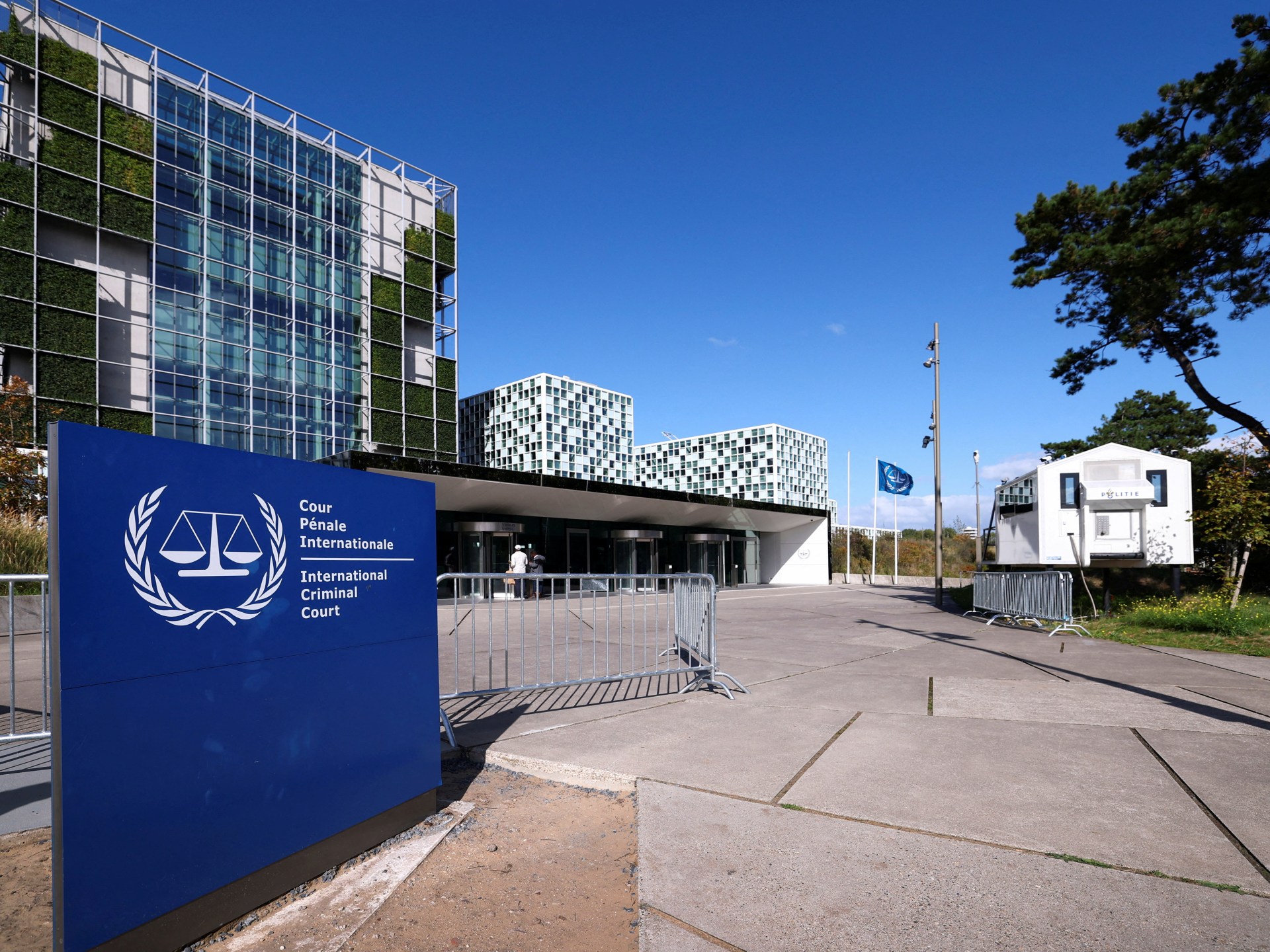
In the aftermath of unparalleled global devastation, the architects of the post-World War II era meticulously crafted an international framework designed to prevent humanity from ever again succumbing to such widespread catastrophe. This intricate system, anchored by international law and multilateral institutions, sought to institutionalise cooperation, minimise conflict, and uphold fundamental human rights. As United States President Franklin D. Roosevelt warned in 1943, even as the Allied powers gained ground, "Unless the peace that follows recognises that the whole world is one neighbourhood, and does justice to the whole human race, the germs of another world war will remain as a constant threat to mankind." Today, that hard-won peace appears increasingly precarious, with growing concerns that we are witnessing the alarming signs of a potential collapse international rules that have long governed global interactions.
The Architecture of Global Peace: A Post-War Legacy Under Duress
The vision forged in the long shadow of global war was one of collective security and shared responsibility. At its heart lay the United Nations Charter, a foundational document enshrining the principle that no state may threaten or use force against another, except in self-defence or with explicit UN Security Council authorisation. This bedrock rule, along with a tapestry of treaties, conventions, and international organisations, aimed to replace the dangerous logic of "might makes right" with a system of agreed-upon norms and legal restraints. The objective was clear: avert great-power conflict, facilitate interstate cooperation on shared challenges, reduce the incidence of "hot wars," and embed human rights within a binding legal framework. For decades, this imperfect yet purposeful architecture largely succeeded in maintaining a semblance of global order, fostering an environment where diplomacy could often triumph over armed aggression.
However, the stability underwritten by this system is now facing acute and unprecedented pressures. What once seemed unshakeable now appears increasingly fragile, prompting vital questions about the future trajectory of international relations and the looming prospect of a The Fragile Peace: Is the International Rule-Based Order Collapsing?
Cracks in the Foundation: Drivers of Breakdown
The forces threatening the post-war order are multifaceted and deeply interconnected, forming a combustible mix that could hasten the collapse international rules. These pressures are not isolated incidents but rather systemic shifts challenging the very premise of global cooperation:
- Resurgent Ultranationalism: A dangerous return to inward-looking, often aggressive nationalism prioritises narrow state interests above collective security or global well-being. This ideology frequently views international cooperation as a constraint rather than an advantage, leading to a diminished commitment to shared norms.
- Hyperintensified Zero-Sum Strategic Rivalries: Major powers increasingly perceive international relations through a zero-sum lens, where one nation's gain is seen as another's loss. This intensifies geopolitical competition, making collaboration on critical issues like climate change, pandemics, or economic stability incredibly difficult.
- Hegemonic Power Plays: Certain states, emboldened by their perceived strength, are increasingly willing to challenge or openly disregard established international law and norms to advance their own strategic ambitions. This brazen repudiation undermines trust and sets dangerous precedents.
- Fragmentation of Longstanding Alliances: The bonds that once united key global actors are fraying, leading to weakened collective responses to aggression and a diminished capacity for coordinated diplomatic pressure. This often leaves smaller nations vulnerable and global challenges unaddressed.
- Marginalisation and Instrumentalisation of Institutions: Multilateral bodies like the UN, the WTO, or regional organisations, designed to underwrite stability, are increasingly either sidelined in major global decisions or weaponised for specific national agendas, diminishing their legitimacy and effectiveness.
- Hollowing Out of Foundational Treaties: International agreements, once considered sacrosanct, are being breached, renegotiated to their detriment, or simply ignored. This weakening of compliance regimes and enforcement mechanisms leaves the international system exposed to the very coercive power politics it was designed to contain.
These dynamics collectively chip away at the confidence that underpins international law, transforming what should be binding obligations into matters of convenience. When states, particularly powerful ones, choose to disregard established rules, it signals to others that the costs of non-compliance are low, further accelerating the potential for a full-scale collapse international rules.
The Erosion of Law and the Rise of Force
Perhaps the most alarming symptom of this breakdown is the palpable drift towards an unchecked "force-based order," where might displaces right, and power eclipses principle. The central instrument of the post-war legal infrastructure, the UN Charter, with its explicit prohibition on the illegal use of force, is visibly fraying. What was once considered a peremptory norm – a fundamental rule from which no derogation is permitted – risks sliding from binding law into empty rhetoric.
We are witnessing instances where the threat of force, and even unilateral military action undertaken without legal authorisation or meaningful deliberation, has begun to crystallise as an acceptable tool of statecraft. This erosion is not merely the conduct of a few "aberrant outliers"; it is compounded by the silence or equivocation of many nations who, for various reasons, fail to robustly defend the core principles of the international order. When the international community collectively entrusted with the stewardship of this system neglects to properly defend it – when resolve gives way to timidity, principle is bartered for political expedience, and moral clarity is supplanted by double standards – the system becomes exposed to the very dangers it was created to contain. This perilous trajectory points us towards A World Without Rules: The Perilous Drift Towards a Force-Based Order, a future marked by increased volatility and reduced global security.
Rebuilding Trust: Strategies to Fortify the International Order
Preventing a complete collapse international rules is not a foregone conclusion, but it demands urgent and concerted action. The international community must rediscover its resolve to defend and modernise the system, ensuring it remains relevant and effective in addressing contemporary challenges. This requires a multi-pronged approach:
- Upholding the Rule of Law Consistently: States must demonstrate unwavering commitment to international law, applying its principles consistently and condemning breaches regardless of the perpetrator. Selective enforcement only delegitimises the system.
- Strengthening Multilateral Institutions: Rather than sidelining them, nations must reinvest in and empower multilateral organisations. This includes advocating for reforms that make them more representative, transparent, and efficient, ensuring they can effectively address the complex issues of our time, from climate change and biodiversity loss to pandemics and cyber warfare.
- Prioritising Diplomacy and Dialogue: In an era of intense rivalry, diplomatic channels and forums for dialogue become even more critical. Investing in conflict prevention, mediation, and negotiation can de-escalate tensions before they erupt into full-blown crises.
- Inclusive Modernization: The post-war order, while robust, was designed for a different world. It needs to evolve to meaningfully include a broader range of voices and address emerging threats that didn't exist 75 years ago. This means adapting legal frameworks for cyber security, artificial intelligence, global health, and equitable economic development.
- Promoting Shared Values: Reaffirming a collective belief in human rights, democratic principles, and the peaceful resolution of disputes can provide a moral compass for international conduct, fostering common ground even amidst geopolitical competition.
By fortifying, rather than constraining, the international order—making it more representative and meaningfully inclusive—we can steer the global system away from a far more volatile and perilous disequilibrium. The alternative is a descent into unchecked power politics, where the foundational achievements of post-war cooperation are entirely undone.
The current turbulence and the visible erosion of the international rules-based order present an undeniable challenge. It is tempting, and indeed a natural human reaction, to focus on the most immediate and visible issues. Yet, what is often lost in this short-term focus is the vitally important long-term stability provided by a functioning international system. The future of global peace and prosperity hinges on a collective commitment to defend, adapt, and reinforce the international rules that have, for generations, been our world's best defence against catastrophe. The choice is clear: either we act with resolve to uphold these principles, or we risk a catastrophic collapse international rules, plunging the world into an era of unprecedented instability.